Key Takeaways
- A fracture is a complete or partial break in a bone, and its severity can vary greatly.
- Warning signs that require immediate medical attention include visible deformity, bone protruding through the skin, severe pain, and inability to move or bear weight on the injured limb.
- Ignoring a potential fracture can lead to serious complications, such as improper healing, chronic pain, nerve damage, or infection.
- The first step in managing a suspected fracture at home is to follow the R.I.C.E. method: Rest, Ice, Compression, and Elevation.
- Proper diagnosis from an orthopedic specialist is crucial for creating an effective treatment plan, which may range from casting to surgical intervention.
- As experts in bone health, the team at Cedar Valley Orthopedics in Cedar Falls, IA, offers comprehensive fracture care, from diagnosis to recovery.
Understanding Fractures: More Than Just a Break
A fall, a sports injury, or a sudden accident can happen in an instant, but the effects can linger. One of the most common injuries from these events is a bone fracture. People often use the terms 'fracture' and 'break' interchangeably, and they are correct to do so—both refer to a break in the continuity of a bone. However, the severity and type of fracture can differ significantly. Some are minor cracks, while others are complete breaks that can shift the bone out of alignment.
Knowing the fracture symptoms and signs is critical for getting the right care quickly. While some injuries clearly require a trip to the emergency room, others might seem less urgent. Delaying treatment can turn a straightforward injury into a complex long-term problem. This guide will help you recognize the warning signs that indicate you need to see an orthopedic specialist.
7 Warning Signs You May Have a Fracture
Don't dismiss persistent pain or swelling after an injury. Here are seven signs that you should seek medical attention for a possible fracture.
1. Obvious Deformity or Misalignment
If the injured limb, joint, or bone looks bent, crooked, or out of place, it’s a strong indicator of a significant fracture or dislocation. This deformity means the bone fragments have shifted and are no longer aligned properly, which requires immediate medical intervention to correct.
2. Bone Protruding Through the Skin
This is a sign of an open or compound fracture, which is a medical emergency. When the bone breaks through the skin, the risk of infection in the bone and surrounding tissue increases dramatically. This type of injury requires urgent surgical treatment to clean the wound and stabilize the bone.
3. Inability to Bear Weight or Move the Injured Area
If you cannot put any weight on your leg, ankle, or foot, or if you are unable to move your arm, wrist, or hand without intense pain, you may have a fracture. This loss of function is your body’s way of telling you that a significant injury has occurred and the structure is unstable.
4. Severe, Localized Pain
While any injury will cause some discomfort, the pain from a fracture is often described as deep, intense, and sharp. It typically worsens with movement or when pressure is applied to the area. If the pain is severe and doesn't subside with rest, it’s a clear signal to see a doctor.
5. Significant Swelling, Bruising, or Tenderness
After an injury, some swelling and bruising are normal. However, rapid and extensive swelling or deep, dark bruising that appears quickly can indicate bleeding from a broken bone. If the area is also extremely tender to the touch, a fracture is a strong possibility.
6. A Grinding or Snapping Sound at the Time of Injury
Many people who sustain a fracture report hearing or feeling a 'snap' or 'crack' when the injury happens. A grinding sensation, known as crepitus, can also occur if the broken ends of the bone rub against each other. These sounds are a tell-tale sign of a broken bone.
7. Numbness or Tingling
If you experience numbness, tingling, or a 'pins and needles' sensation in the injured limb, it could mean that the fracture is affecting nearby nerves or blood vessels. This is a serious symptom that requires prompt evaluation by a medical professional to prevent permanent damage.
The Risks of an Untreated Fracture
Postponing a visit to an orthopedic specialist can have serious consequences. An untreated fracture can lead to:
- Malunion or Nonunion: The bone may heal in the wrong position (malunion) or fail to heal at all (nonunion), leading to chronic pain, deformity, and loss of function.
- Nerve and Blood Vessel Damage: Sharp bone fragments can damage adjacent nerves and blood vessels, causing long-term numbness, weakness, or circulation problems.
- Compartment Syndrome: This is a painful and dangerous condition caused by pressure buildup from internal bleeding or swelling. It requires emergency surgery to prevent permanent muscle and nerve damage.
- Chronic Pain and Arthritis: Improperly healed fractures can lead to post-traumatic arthritis in the affected joint, causing persistent pain and stiffness.
How Cedar Valley Orthopedics Diagnoses and Treats Fractures
When you visit Cedar Valley Orthopedics, our specialists will start with a thorough physical examination of the injured area. We will ask about how the injury occurred and your symptoms. To confirm a diagnosis, we will use imaging tests.
- X-rays: This is the most common tool for identifying the location and severity of a fracture.
- CT Scans or MRI: For more complex fractures or to get a better look at surrounding soft tissues, we may order more detailed imaging.
The treatment of a fracture depends on its type and location. Our goal is to realign the bone and immobilize it to allow for proper healing.
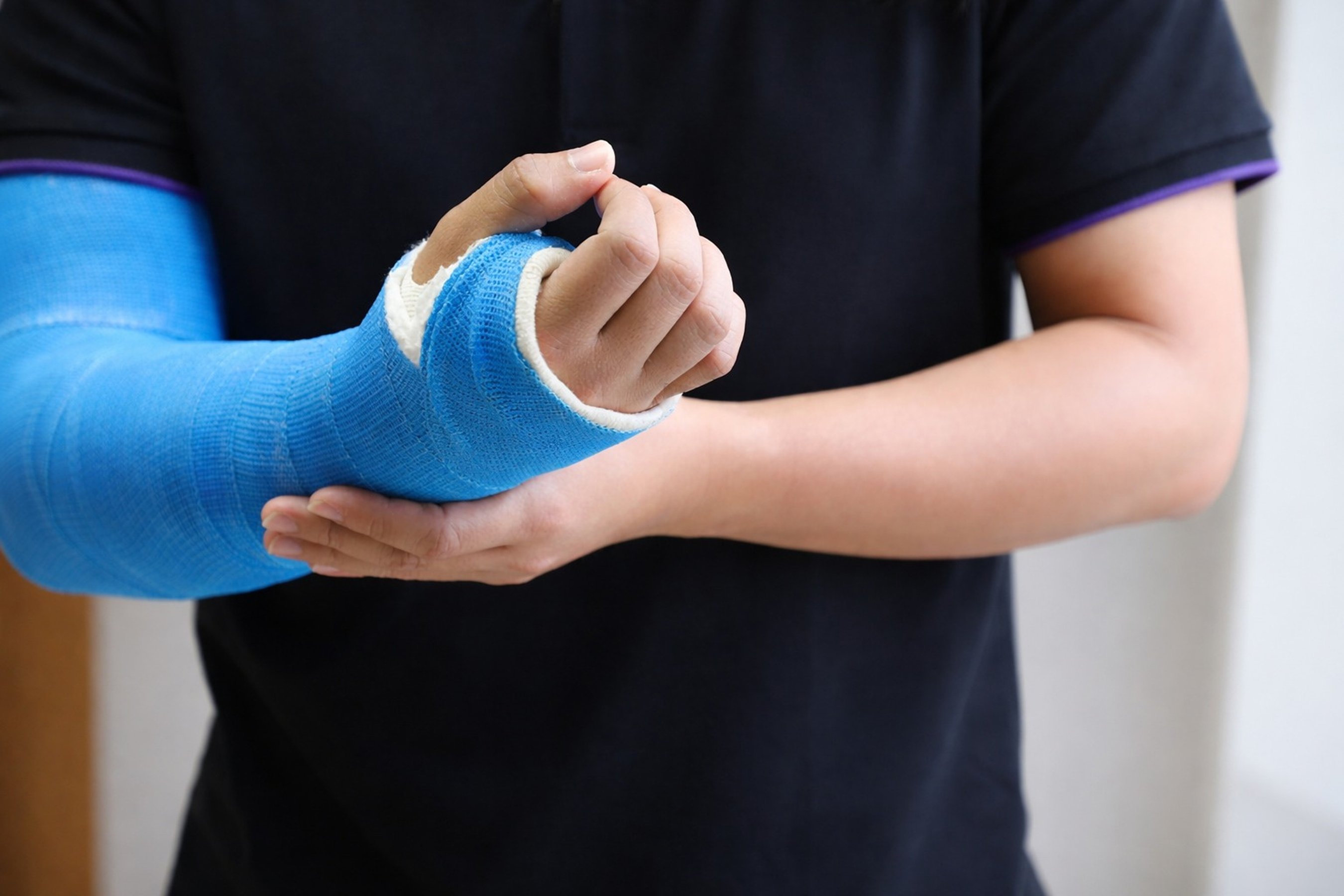
- Casting or Splinting: Most fractures can be treated by immobilizing the area with a cast or splint.
- Reduction: If the bone is out of place, a specialist may need to manually push it back into alignment before applying a cast.
- Surgical Intervention: For severe or open fractures, surgery may be necessary. Our surgeons might use pins, plates, or screws to hold the bone fragments together. Arthroscopic surgery is a minimally invasive option for certain joint-related fractures.
For urgent needs, our OrthoExpress clinic offers walk-in care for acute orthopedic injuries, providing a faster and more specialized alternative to the emergency room.
Managing Pain and Swelling Before Your Appointment
If you suspect a fracture but cannot get immediate medical care, follow the R.I.C.E. method to manage your symptoms:
- Rest: Avoid using or putting weight on the injured limb.
- Ice: Apply an ice pack wrapped in a towel for 15-20 minutes every few hours to reduce swelling and numb the pain.
- Compression: Gently wrap the area with an elastic bandage to help control swelling, but be careful not to make it too tight.
- Elevation: Keep the injured limb raised above the level of your heart to help decrease swelling.
Get Expert Fracture Care at Cedar Valley Orthopedics
Don’t guess when it comes to a potential broken bone. Recognizing the warning signs of a fracture and seeking timely medical care is crucial for a successful recovery. The expert team at Cedar Valley Orthopedics is here to provide the specialized diagnosis and treatment you need to heal correctly and regain your mobility.
For expert fracture diagnosis and treatment in Cedar Falls, schedule an appointment with the specialists at Cedar Valley Orthopedics. We are dedicated to helping you recover fully and get back to your active life.
Frequently Asked Questions
What is worse, a fracture or a break?
There is no difference between a fracture and a break; the terms are used interchangeably to describe a broken bone. The severity depends on the type and location of the fracture, not the word used to describe it.
How long is bone fracture recovery time?
Bone fracture recovery time varies widely depending on the patient's age, overall health, and the fracture's severity and location. Minor fractures may heal in a few weeks, while more severe ones can take several months or longer. Your orthopedic specialist will provide a more specific timeline for your injury.
Should I go to the ER for a suspected fracture?
You should go to the emergency room for severe fractures, such as those with an obvious deformity, a bone protruding through the skin, or uncontrollable bleeding. For less severe but still concerning injuries, an urgent care clinic like OrthoExpress at Cedar Valley Orthopedics is an excellent option for specialized care.
