Key Takeaways
- A fracture is a break in a bone, while a sprain is an injury to a ligament, which connects bones together.
- Key signs of a fracture often include a cracking sound at the time of injury, a visible deformity, or numbness in the affected area.
- Sprain symptoms typically involve bruising, swelling, and pain around a joint, but the limb usually maintains its basic shape.
- While mild sprains can be managed at home with R.I.C.E. (Rest, Ice, Compression, Elevation), fractures always require professional medical attention.
- Accurate diagnosis from an orthopedic specialist is crucial for proper healing and to prevent long-term complications.
- The specialists at Cedar Valley Orthopedics provide expert diagnosis and treatment for both fractures and sprains to help you recover safely and effectively; schedule an appointment today.
Understanding Your Injury: Fracture vs Sprain
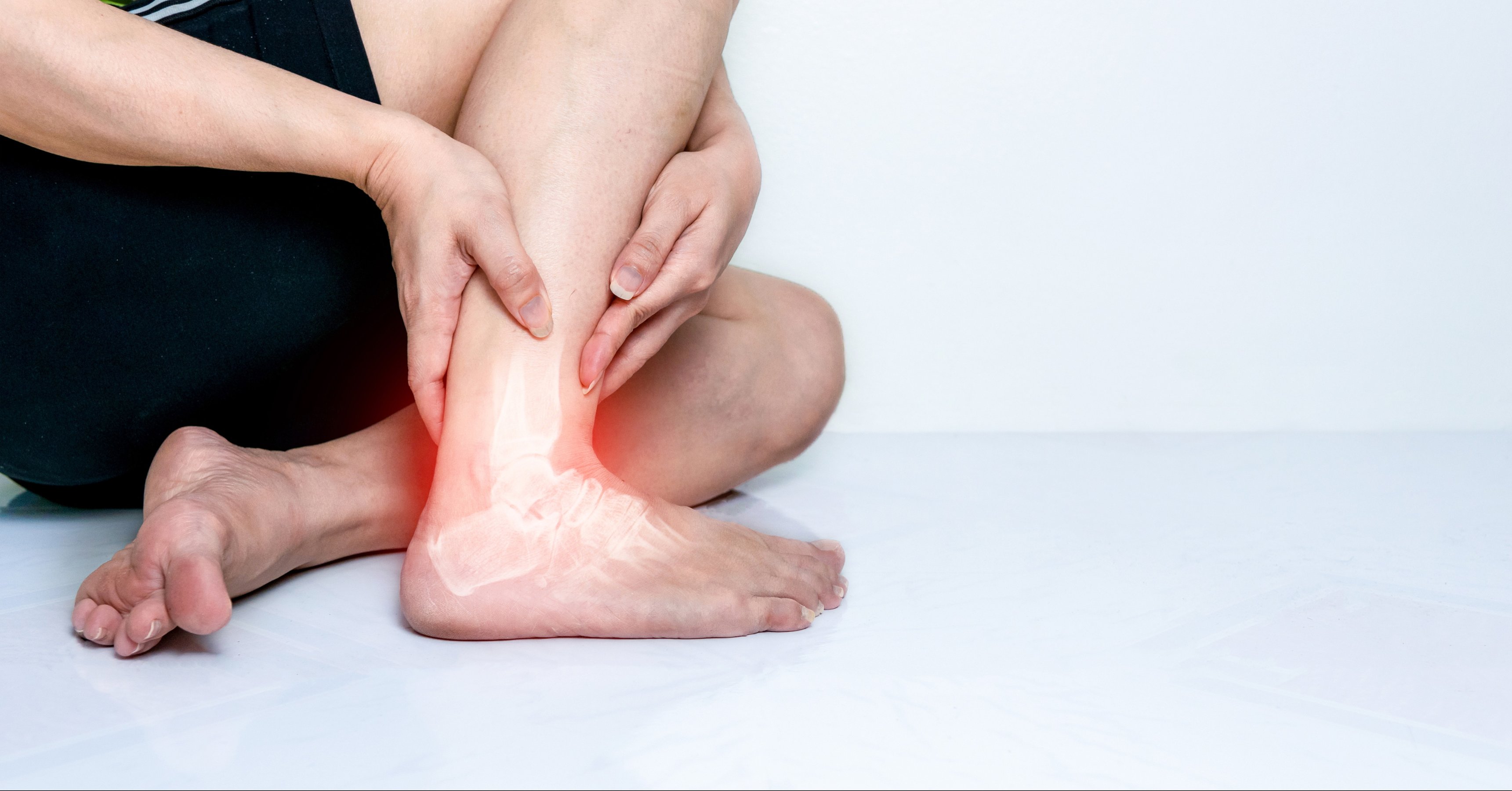
After a fall or sudden impact, sharp pain can make it difficult to know what just happened. Did you sprain your ankle or break a bone? Distinguishing between a fracture and a sprain is essential because they demand very different approaches to treatment. A sprain involves the ligaments—the tough bands of tissue that connect your bones at a joint. When a ligament is stretched or torn, it results in a sprain. A fracture, on the other hand, is a partial or complete break in a bone. While symptoms can overlap, understanding the key differences can guide your next steps toward recovery.
6 Signs to Help Tell the Difference
While only a medical professional can provide a definitive diagnosis, certain signs and symptoms can help you determine the likely nature of your injury.
1. The Sound at the Time of Injury
One of the most telling signs of a fracture is the sound you might hear when the injury occurs. Many people with a fracture report hearing a distinct 'crack' or 'snap.' In contrast, a sprain is more often associated with a 'pop' sound or feeling, as the ligament stretches or tears.
2. The Shape and Appearance of the Injured Area
Look closely at the injured area. Is there a clear deformity? If the limb or joint appears bent at an unnatural angle or out of place, you are most likely dealing with a fracture. Sprains can cause significant swelling that might distort the area's appearance, but they do not typically cause the kind of obvious deformity seen with a broken bone.
3. Sensation: Numbness vs. Pain
Pay attention to what you feel beyond just pain. A fracture can sometimes cause a tingling sensation or numbness in the injured area. This happens if the broken bone damages nearby nerves. While sprains are certainly painful, numbness is not a common symptom. Pain from a sprain is usually localized around the affected joint.
4. Location of the Pain
The location of the pain provides another clue. With a sprain, the discomfort is typically centered on the soft tissue around a joint. If you gently press on the bones around the painful area and the pain is not directly over the bone itself, it may be a sprain. However, if the pain is sharp and located directly over a bone, a fracture is more probable.
5. Ability to Bear Weight
Your ability to use the injured limb can also indicate the severity. Many people with a sprain, even a moderate one, can often bear some weight on the injured limb, however painful it may be. With a fracture, putting any weight on the injury is frequently impossible due to intense pain and instability.
6. Comparing Bruising and Swelling
Both fractures and sprains cause swelling and bruising. However, the location and timing can differ. Swelling from a sprain is often immediate and concentrated around the injured joint. While a fracture also causes swelling, the bruising may take longer to appear and can track further down the limb, following the pull of gravity.
Here is a simple table to compare common symptoms:
| Symptom | Sprain | Fracture |
|---|---|---|
| Sound | Often a 'pop' | Often a 'crack' or 'snap' |
| Deformity | Unlikely; swelling may alter shape | Possible; limb may look bent or out of place |
| Sensation | Pain localized to the joint | Pain over the bone; possible numbness or tingling |
| Weight-Bearing | Often possible, but painful | Often impossible due to pain and instability |
| Bruising | Develops quickly around the joint | May be delayed and spread further down the limb |
When to Seek Professional Medical Care
While some mild sprains can be managed at home, many injuries require a professional evaluation. You should seek immediate medical attention if you experience:
- A sound like a 'crack' at the time of injury.
- Visible deformity in the bone or joint.
- Inability to bear weight on the injured limb.
- Numbness or loss of circulation in the affected area.
- Pain that is severe and does not improve with initial at-home care.
Ignoring these signs can lead to improper healing, chronic pain, instability, and an increased risk of future injury. Visiting an orthopedic specialist near me ensures you receive an accurate diagnosis and a proper treatment plan. For urgent needs, walk-in clinics like OrthoExpress offer immediate access to specialized care without the long wait of an emergency room.
How Cedar Valley Orthopedics Diagnoses Your Injury
At Cedar Valley Orthopedics, our specialists use a combination of physical examination and advanced diagnostic tools to accurately determine the source of your pain. An expert will carefully assess the injured area, check for swelling and deformity, and ask about the circumstances of your injury.
To confirm a diagnosis, imaging tests are often necessary:
- X-rays: This is the most common tool used to identify fractures. X-rays provide clear images of bones, allowing a doctor to see the exact location and type of break.
- MRI (Magnetic Resonance Imaging): If a fracture is ruled out but a severe ligament injury is suspected, an MRI may be ordered. This imaging provides detailed views of soft tissues like ligaments, tendons, and muscles.
- CT (Computed Tomography) Scan: For complex fractures, a CT scan can provide more detailed, cross-sectional images of the bone to guide treatment.
Treatment Options for Fractures and Sprains
Your treatment plan will depend on your specific diagnosis.
Sprain Treatment
For mild to moderate sprains, the initial treatment often follows the R.I.C.E. method: Rest, Ice, Compression, and Elevation. Over-the-counter pain relievers can help manage discomfort. For more severe sprains, an orthopedic specialist might recommend:
- Bracing or Splinting: To immobilize the joint and allow the ligament to heal.
- Physical Therapy: To restore strength, flexibility, and stability to the joint.
- Arthroscopic Surgery: In cases of a complete ligament tear, a minimally invasive arthroscopic surgery may be necessary to repair the damage.
Fracture Treatment
Fracture treatment focuses on realigning the bone and immobilizing it to ensure it heals correctly. This may involve:
- Casting or Splinting: The most common treatment for holding a broken bone in place.
- Reduction: If the bone is displaced, a doctor will need to manually manipulate it back into its proper alignment before applying a cast.
- Surgery: For complex or severe fractures, an orthopedic surgeon near me may need to implant screws, plates, or rods to hold the broken pieces of bone together. This procedure is called open reduction and internal fixation (ORIF).
Get an Accurate Diagnosis at Cedar Valley Orthopedics
Don’t guess when it comes to your health. An accurate diagnosis is the first step toward a successful recovery, whether you have a fracture or a sprain. The team at Cedar Valley Orthopedics has the expertise to identify your injury and create a personalized treatment plan that gets you back to your life.
For expert diagnosis and treatment for your bone or joint injury, schedule an appointment with the specialists at Cedar Valley Orthopedics. We offer comprehensive care, from non-surgical treatments to advanced arthroscopic surgery.
Frequently Asked Questions
Can a sprain be more painful than a fracture?
Yes, a severe sprain, such as a complete ligament tear, can sometimes be more painful than a simple, non-displaced fracture. Pain levels are not always a reliable indicator of the type of injury, which is why a professional evaluation is so important.
How long does it take to recover from a sprain vs a fracture?
Recovery times vary widely. A mild sprain may heal in a few weeks, while a severe sprain can take several months. A minor fracture may heal in 6-8 weeks, but a more complex fracture requiring surgery could take six months or longer to fully heal.
Should I go to the emergency room or an orthopedic specialist?
For immediate, life-threatening injuries, head to the emergency room. However, for most suspected sprains and fractures that are not emergencies, visiting an orthopedic urgent care clinic like OrthoExpress or scheduling an appointment with an orthopedic specialist near me is more efficient. You will receive specialized care from an expert faster than you might in a busy ER.
What happens if you walk on a fracture?
Walking on a fracture can cause the bone to shift out of alignment, which can lead to improper healing, delayed recovery, and the potential need for a more invasive surgical procedure. It can also increase pain and damage surrounding blood vessels, nerves, and muscles.
