Key Takeaways
- Faster Recovery: Minimally invasive techniques significantly reduce downtime, allowing patients to return to daily activities sooner than with traditional surgery.
- Reduced Pain and Scarring: Smaller incisions mean less trauma to the body, resulting in minimal scarring and less post-operative pain.
- Lower Infection Risk: Smaller wounds and shorter hospital stays contribute to a decreased risk of surgical complications.
- Cost-Effective: Many of these procedures are performed on an outpatient basis, reducing hospital costs.
- Expert Care Near You:Cedar Valley Orthopedics specializes in advanced minimally invasive arthroscopic procedures that speed up recovery in IA, offering personalized care to help you get back to moving pain-free. Schedule an appointment today to discuss your options.
Why Joint Surgery Is No Longer a Last Resort
For decades, the phrase 'joint surgery' conjured images of long hospital stays, large painful scars, and months of grueling rehabilitation. Many patients delayed necessary treatment, choosing to live with chronic pain rather than face the daunting prospect of 'going under the knife.'
Fortunately, medical technology has evolved. We have entered an era where repairing a torn rotator cuff or fixing a damaged knee no longer requires major open surgery. The shift toward minimally invasive techniques has revolutionized orthopedics, making procedures safer, faster, and more effective. Patients are discovering that fixing joint issues doesn't have to mean putting their entire life on hold.
Understanding Arthroscopy and Minimally Invasive Techniques
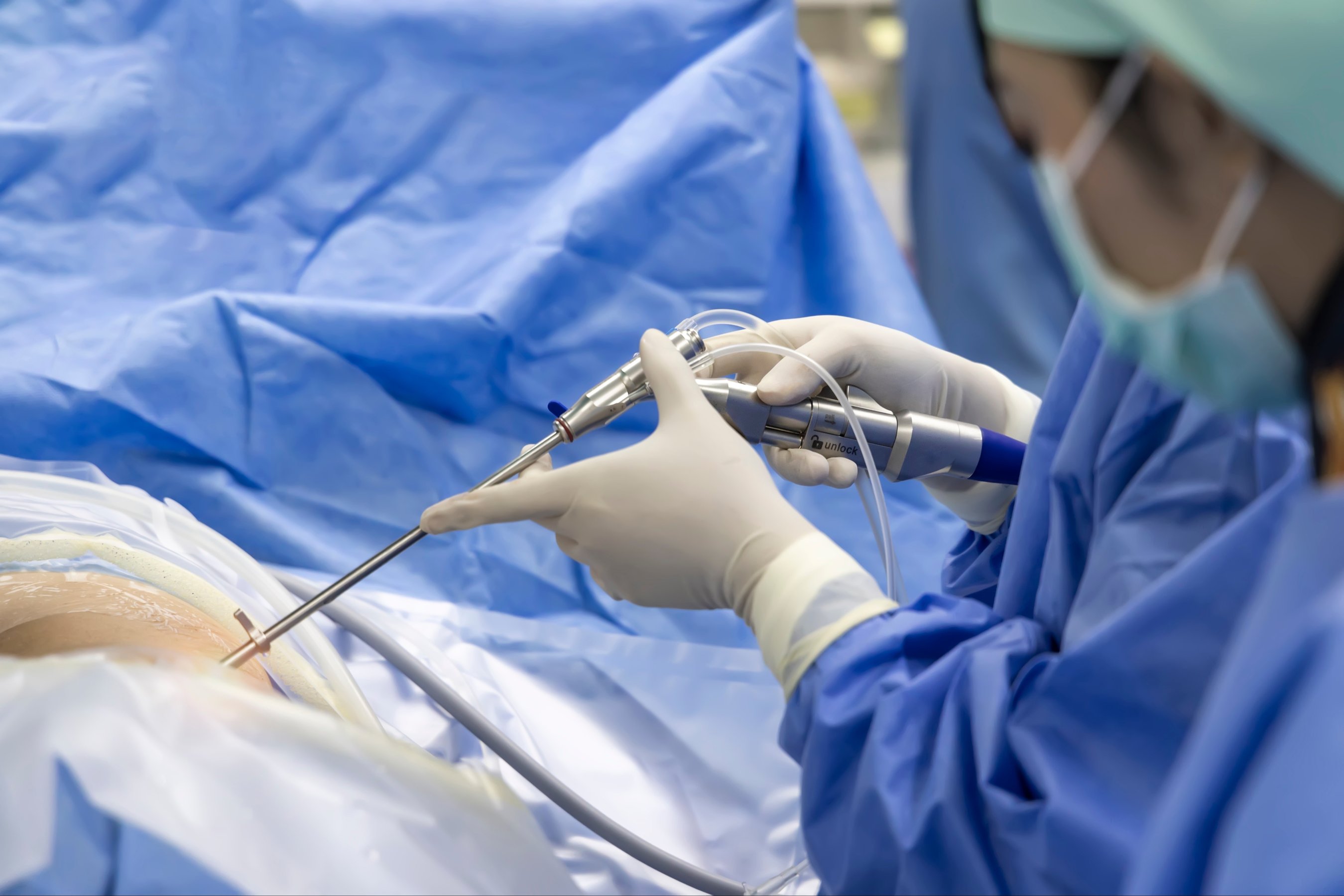
At the heart of this surgical evolution is a procedure known as arthroscopy. Unlike traditional open surgery, which requires a large incision to fully expose the joint, arthroscopy uses a high-definition camera and specialized instruments inserted through tiny incisions—often no larger than a buttonhole.
This approach allows surgeons to see inside the joint with incredible precision without causing extensive damage to the surrounding soft tissues. Muscles are spared rather than cut, and the structural integrity of the joint is preserved. Cedar Valley Orthopedics utilizes these advanced methods to treat a wide range of conditions, from ACL tears in the knee to impingement in the shoulder.
Traditional Open Surgery vs. Minimally Invasive Surgery
Understanding the difference between the 'old way' and the modern approach is crucial for patients considering their options. The table below highlights the distinct advantages of choosing a minimally invasive route.
| Feature | Traditional Open Surgery | Minimally Invasive (Arthroscopic) |
|---|---|---|
| Incision Size | Large (several inches) | Tiny (typically less than 1/2 inch) |
| Muscle Damage | Muscles often cut or detached | Muscles typically pushed aside or spared |
| Hospital Stay | Several days to a week | Often outpatient (home the same day) |
| Pain Levels | Moderate to severe | Mild to moderate |
| Recovery Time | Months of rehabilitation | Weeks to months (significantly faster) |
| Scarring | Noticeable, large scars | Minimal, often fading to invisibility |
Common Procedures Revolutionized by Arthroscopy
While not every condition can be treated arthroscopically, a significant number of common joint issues are now resolved using these methods. Cedar Valley Orthopedics frequently performs these procedures to help patients in IA regain mobility.
Knee Arthroscopy
The knee is one of the most complex joints in the body and is highly susceptible to injury. Arthroscopy is commonly used to repair torn meniscal cartilage, reconstruct a torn anterior cruciate ligament (ACL), and trim damaged cartilage. Because the knee bears so much weight, the muscle-sparing nature of this surgery is vital for a quick return to walking and running.
Shoulder Repair
Shoulder pain can be debilitating, affecting everything from sleep to lifting groceries. Minimally invasive techniques are the gold standard for rotator cuff repairs, labral repairs, and removing bone spurs. Patients typically experience a much greater range of motion post-surgery compared to open procedures.
Hip Arthroscopy
Historically, hip surgery almost always involved large incisions and significant downtime. Today, surgeons can treat conditions like femoroacetabular impingement (FAI) and labral tears through small portals. This preservation of the hip muscles is essential for long-term stability and function.
Benefits Beyond the Operating Room
The advantages of these techniques extend well beyond the surgery itself. Because the trauma to the body is minimized, the systemic response is less severe.
- Less Reliance on Pain Medication: With less tissue damage comes less pain. Patients often require fewer opioids and can transition to over-the-counter pain relievers much sooner.
- Lower Risk of Complications: Large wounds are more susceptible to infection. By keeping incisions small, the body's natural barrier against bacteria remains largely intact.
- Psychological Benefits: A faster recovery means less time feeling 'helpless' or dependent on others. Returning to work and hobbies quickly improves mental well-being during the healing process.
Get Back to Living Your Life
You do not have to accept joint pain as a permanent part of your life. With the advancements in minimally invasive surgery, relief is more accessible and less intimidating than ever before. Cedar Valley Orthopedics is dedicated to providing cutting-edge care that prioritizes your comfort and your time.
Don't wait for the pain to worsen. Schedule an appointment with Cedar Valley Orthopedics today to find out if minimally invasive arthroscopic surgery is the right solution for your joint pain.
Frequently Asked Questions
Am I a candidate for minimally invasive joint surgery?
Not every injury is suitable for arthroscopy, but many are. The best candidates are typically those with cartilage damage, ligament tears, or bone spurs who have not found relief through physical therapy or medication. A consultation with Cedar Valley Orthopedics is the best way to determine your eligibility based on your specific injury and overall health.
How long does it take to recover from arthroscopic surgery?
Recovery times vary depending on the specific joint and procedure, but they are almost universally faster than open surgery. Many patients are walking within a few days and returning to full activity within a few weeks to a few months.
Is minimally invasive surgery safer than traditional surgery?
Generally, yes. Because the incisions are smaller and there is less trauma to the soft tissues, the risk of infection and excessive bleeding is lower. However, as with any medical procedure, there are risks involved, which your surgeon will discuss with you.
Will I need physical therapy after the procedure?
Yes, physical therapy is usually a critical component of recovery. While the surgery repairs the structural damage, therapy is needed to strengthen the muscles around the joint and restore full range of motion.
