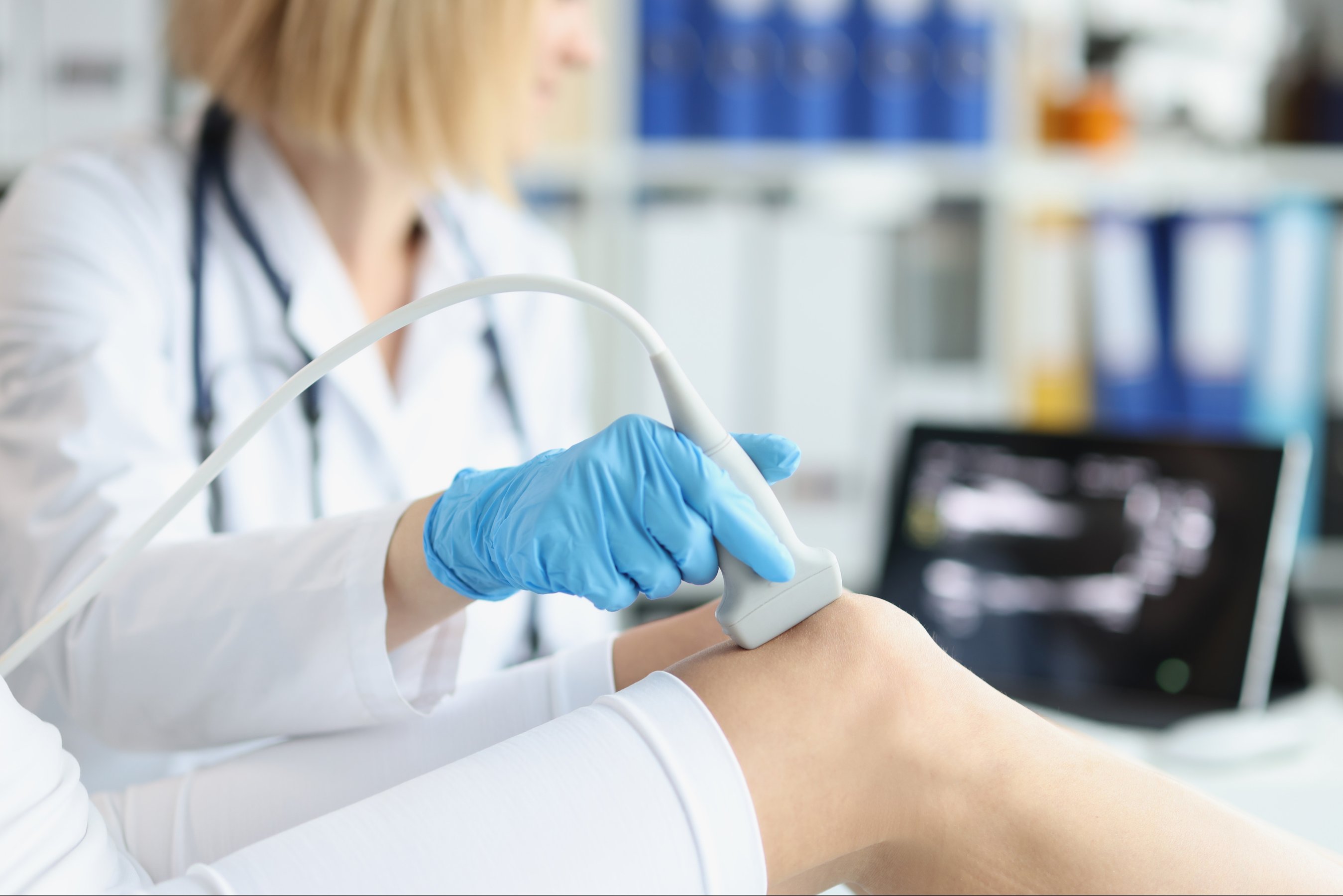
Knee pain can feel like a penalty box for anyone who loves to move. Whether you are a weekend warrior, a dedicated runner, or someone who simply enjoys an evening walk, a knee injury often brings your routine to a screeching halt. The frustration isn't just physical; it's the mental toll of being sidelined while life keeps moving.
Fortunately, medical technology has advanced significantly. You no longer have to choose between living with pain or undergoing major open surgery right away. A spectrum of advanced knee treatments now exists to bridge the gap, helping you heal faster and return to the activities you love with confidence.
Key Takeaways
- Early intervention matters: Addressing knee pain early can prevent further damage and reduce the need for invasive procedures later.
- Not just surgery: Modern medicine offers regenerative options like PRP therapy and minimally invasive techniques that speed up recovery.
- Customized care is essential: Every knee is different, meaning treatment plans must be tailored to your specific injury and lifestyle goals.
- Cedar Valley Orthopedics is your partner: We offer the advanced solutions you need to stay active. Schedule an appointment today to start your recovery.
Understanding Knee Injuries in Active Adults
The knee is one of the most complex joints in the human body, acting as a hinge that bears the weight of almost every movement. For active individuals, the knee absorbs immense stress. Running, jumping, pivoting, and lifting all place high demands on the cartilage, ligaments, and tendons that keep the joint stable.
Common issues that plague active lifestyles include:
- Meniscus Tears: Often caused by twisting or rotating the knee.
- Ligament Injuries (ACL/MCL): Common in sports involving sudden stops or changes in direction.
- Tendinitis: Inflammation often resulting from overuse, such as 'jumper's knee.'
- Early Osteoarthritis: Wear and tear that degrades the cartilage over time.
When these injuries strike, the goal isn't just to stop the pain—it is to restore function so you can return to your sport or hobby without fear of re-injury.
Non-Surgical and Regenerative Options
Before considering surgery, Cedar Valley Orthopedics often explores innovative non-surgical treatments. These therapies focus on harnessing the body's natural healing abilities to repair damaged tissue.
Platelet-Rich Plasma (PRP) Therapy
PRP therapy has gained popularity among professional athletes for its ability to accelerate healing. The process involves drawing a small amount of the patient's blood, spinning it in a centrifuge to concentrate the platelets, and injecting them directly into the injured knee. These platelets release growth factors that signal the body to repair tissue.
Viscosupplementation (Gel Injections)
For those suffering from early arthritis, the natural fluid in the knee (synovial fluid) can break down, leading to friction and pain. Viscosupplementation involves injecting a gel-like substance called hyaluronic acid into the joint. This acts as a lubricant and shock absorber, allowing the bones to move smoothly over one another and reducing pain during activity.
Physical Therapy and Biomechanics
Often, knee pain is a symptom of a larger mechanical issue, such as weak hips or poor foot arches. A comprehensive treatment plan at Cedar Valley Orthopedics includes targeted physical therapy to correct these imbalances, taking pressure off the knee joint and preventing future flare-ups.
Minimally Invasive Surgical Techniques
When conservative methods aren't enough, surgery may be the best path forward. However, modern knee surgery is far less daunting than procedures of the past. Advancements in technology allow surgeons to perform complex repairs through tiny incisions.
Arthroscopy
Knee arthroscopy is a common procedure used to diagnose and treat joint problems. A surgeon inserts a tiny camera, called an arthroscope, into the knee joint. This allows them to see the inside of the knee on a screen and use small instruments to repair torn cartilage or trim damaged tissue. Because the incisions are small, patients typically experience less pain and shorter recovery times compared to open surgery.
Partial Knee Replacement
For patients where damage is confined to one specific compartment of the knee, a total knee replacement might be overkill. Partial knee replacement resurfaces only the damaged area, preserving the healthy bone and ligaments. This results in a knee that feels more natural and allows for a quicker return to active living.
Comparing Treatment Approaches
To help you understand the differences between these approaches, here is a comparison of typical recovery expectations and best use cases.
| Treatment Type | Best For | Typical Recovery Time | Invasiveness |
|---|---|---|---|
| PRP Therapy | Tendonitis, mild arthritis, muscle strains | 2–6 weeks | Low (Injection) |
| Arthroscopy | Meniscus tears, loose cartilage | 6 weeks – 3 months | Medium (Minimally invasive) |
| Partial Replacement | Compartmentalized arthritis | 3–6 months | High (Surgery) |
| Total Replacement | Severe, widespread arthritis | 6–12 months | High (Major Surgery) |
Recovery: The Road Back to Activity
The treatment is only half the battle; recovery is where the real work begins. Returning to an active lifestyle requires patience and adherence to a rehabilitation plan. Rushing back to the field or the gym too soon is a common mistake that can lead to setbacks.
Cedar Valley Orthopedics emphasizes a 'return-to-sport' protocol. This isn't just about waiting for the calendar to flip; it is about meeting specific functional milestones. Can you hop on one leg without pain? Do you have a full range of motion? Is your quadriceps strength equal in both legs? Passing these functional tests ensures that your knee is truly ready for the demands of your active life.
Don't Let Knee Pain Bench You Forever
Knee pain does not have to be the end of your active lifestyle. With the right diagnosis and a treatment plan tailored to your goals, you can get back to hiking, running, or playing with your kids pain-free. Cedar Valley Orthopedics is dedicated to providing the advanced care necessary to restore your mobility.
Ready to reclaim your movement? Schedule an appointment with Cedar Valley Orthopedics for comprehensive knee care in IA today.
Frequently Asked Questions
How do I know if I need surgery for my knee pain?
Surgery is rarely the first option. Most knee issues are treated initially with rest, physical therapy, and anti-inflammatory measures. If pain persists despite these conservative treatments, or if there is mechanical locking or instability in the knee, a specialist at Cedar Valley Orthopedics can evaluate if surgical intervention is necessary.
Is PRP therapy covered by insurance?
Insurance coverage for Platelet-Rich Plasma (PRP) therapy varies significantly by provider and plan. While some carriers view it as experimental, others may cover it for specific conditions. It is best to check directly with your insurance provider and the billing specialists at Cedar Valley Orthopedics.
Can I return to running after a knee replacement?
Many patients return to active lifestyles after knee replacement, including low-impact activities like swimming, biking, and golf. Returning to high-impact activities like distance running is possible for some but should be discussed extensively with your surgeon, as it may increase wear on the implant.
What is the difference between ACL repair and reconstruction?
ACL reconstruction involves replacing the torn ligament with a graft (tendon) from another part of your body or a donor. ACL repair, which is less common and suitable only for specific types of tears, involves stitching the torn ligament back together. Your surgeon will determine which method offers the best chance of success for your specific injury.
