Key Takeaways
- You may need a hip replacement when hip pain limits your daily life, keeps hurting while you rest, and has not improved with medicine, physical therapy, or a cane or walker.
- Arthritis is the most common cause of long-term hip pain and disability.
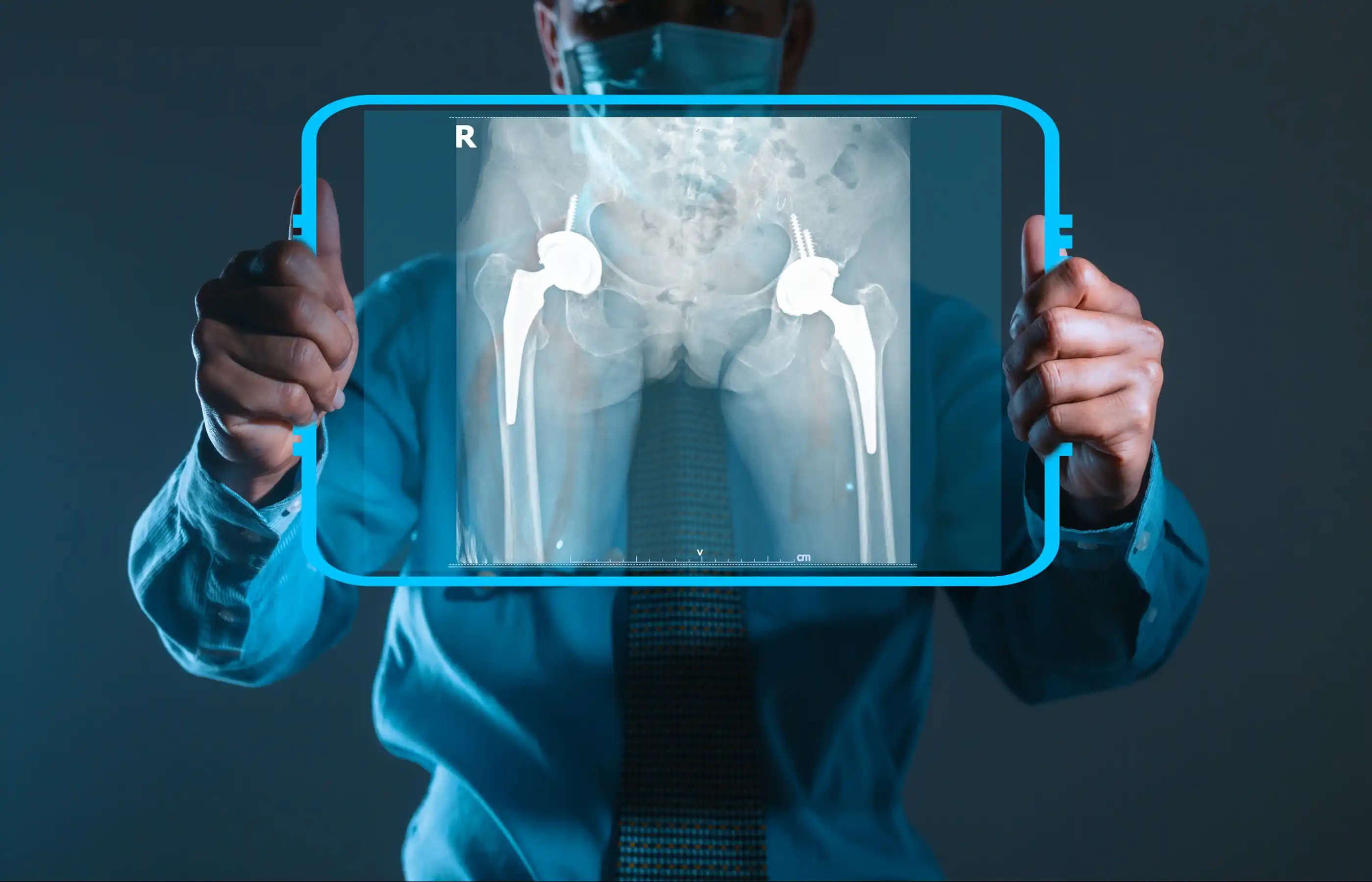
- An X-ray helps show whether your hip joint has worn down enough for surgery to help.
- Most people try nonsurgical treatments first, often for at least six weeks, before talking about surgery.
- Cedar Valley Orthopedics is a trusted team of orthopedic hip specialists in Cedar Falls, IA, and you can request an appointment with Cedar Valley Orthopedics to find out if it is time for a new hip.
Common Signs You Need a Hip Replacement
Almost everyone has a sore hip now and then. But when hip pain sticks around for months and keeps getting worse, it may be a sign that the joint itself is wearing out.
The American Academy of Orthopaedic Surgeons (AAOS) guide to total hip replacement lists several signs that people who benefit from hip replacement often share. Here is what to watch for.
1. Hip Pain Gets in the Way of Everyday Tasks
Pain that makes it hard to walk, bend, climb stairs, or get in and out of a chair is a key warning sign. You might also notice it is hard to put on your shoes and socks.
2. Your Hip Hurts Even When You Are Resting
Pain that continues while you sit still or try to sleep is different from soreness after a long walk. Night pain that wakes you up is worth talking about with a hip specialist.
3. Stiffness Limits How You Move
A stiff hip can make it hard to move or lift your leg. Over time, you may find yourself avoiding activities you used to enjoy.
4. Other Treatments Are No Longer Helping
If anti-inflammatory medicine, physical therapy, or a walking aid such as a cane no longer brings enough relief, it may be time to look at other options.
5. The Pain Is Coming From the Hip Joint Itself
Not all pain near the hip starts in the hip. According to Hospital for Special Surgery (HSS) guidance on signs you might need a hip replacement, pain in the back of the thigh, or pain that travels down the leg, often comes from the spine instead. Hip surgery will not fix spine-related pain, so a correct diagnosis matters.
Everyday Hip Soreness vs. Signs It May Be Time for Surgery
This quick comparison can help you sort out what you are feeling. It is not a diagnosis, but it can help you decide when to schedule an evaluation.
| Everyday Hip Soreness | Signs It May Be Time for Hip Replacement | |
|---|---|---|
| When it hurts | After extra activity, then fades | During daily tasks, at rest, or at night |
| How long it lasts | A few days | Months, and slowly getting worse |
| Effect on daily life | Minor | Makes walking, bending, or stairs hard |
| Response to home care | Improves with rest, ice, or over-the-counter medicine | Little or no relief from medicine, physical therapy, or walking aids |
| Stiffness | Mild and short-lived | Limits how far you can move or lift your leg |
How Do Arthritis and Injury Lead to the Need for Hip Replacement?
Your hip is a ball-and-socket joint. Smooth tissue called cartilage covers the ball and socket so they can glide easily. When that cartilage breaks down, bone can rub on bone, causing pain and stiffness.
According to AAOS, arthritis is the most common cause of long-term hip pain and disability. Common causes include:
- Osteoarthritis: Wear-and-tear arthritis that usually affects people age 50 and older. The cartilage cushion slowly wears away.
- Rheumatoid arthritis: A disease where the immune system attacks the lining of the joint, causing swelling that can damage cartilage.
- Posttraumatic arthritis: Arthritis that develops after a serious hip injury or fracture (broken bone).
- Osteonecrosis: A condition, also called avascular necrosis, where the bone loses its blood supply. The bone surface can collapse and lead to arthritis.
- Childhood hip problems: Some hip conditions treated in childhood can still lead to arthritis later in life.
Conservative Treatments to Try Before Hip Replacement Surgery
Conservative treatment means care that does not involve surgery. Most hip specialists start here. Options often include:
- Anti-inflammatory medicine: Nonsteroidal anti-inflammatory drugs (NSAIDs), such as ibuprofen, can ease pain and swelling.
- Physical therapy: A physical therapist teaches exercises to build strength and keep the hip moving.
- Corticosteroid injections: A shot of anti-inflammatory medicine into or near the joint may calm pain for a time.
- Walking aids: A cane or walker can take pressure off a painful hip.
- Activity changes and weight management: Changing how you do some tasks, and keeping a healthy weight, can reduce strain on the joint.
When Is Hip Replacement Necessary?
Hip replacement is usually a choice, not an emergency. HSS notes that for most people, at least six weeks of conservative treatment without improvement comes before a doctor suggests talking with a specialist about surgery. HSS also explains that people with 'bone-on-bone' arthritis, confirmed by X-ray, tend to get the best results.
Age is not the deciding factor. AAOS states that there are no absolute age or weight limits for total hip replacement. Most patients are between 50 and 80 years old, but surgeons base their advice on each person's pain and disability.
A good rule of thumb: if you no longer want to live with the pain you have now, and other treatments have not worked, it is time to ask about surgery.
What a Hip Evaluation With an Orthopedic Specialist Involves
A hip evaluation helps you and your specialist decide on the best next step. According to AAOS, it usually includes:
- Medical history: Questions about your health, your pain, and how it affects your daily life.
- Physical exam: A check of your hip's movement, strength, and alignment.
- X-rays: Images that show how much damage is in the joint.
- Other tests, if needed: Sometimes a magnetic resonance imaging (MRI) scan is used to look at bone and soft tissue.
At Cedar Valley Orthopedics, this visit is a conversation. The team reviews your results with you, explains your options, and helps you understand whether surgery makes sense right now. If it does, Cedar Valley Orthopedics offers several types of hip replacement surgery in Cedar Falls, IA, including anterior and posterior total hip replacement. Surgeons also use the ARVIS® augmented reality system to guide accurate implant placement.
Get a Clear Answer About Your Hip Pain in Cedar Falls, IA
Hip pain that limits your day, lingers at rest, and does not respond to other care may be a sign that you need a hip replacement. Cedar Valley Orthopedics can pinpoint the source of your pain and walk you through every option, from conservative care to advanced hip replacement surgery.
Ready for answers? Request an appointment with Cedar Valley Orthopedics to schedule a hip evaluation and learn more about hip replacement at Cedar Valley Orthopedics.
Frequently Asked Questions
Do I need a hip replacement, or can I wait?
It depends on how much your hip pain affects your life and whether other treatments still help. Many people manage well with medicine, physical therapy, and activity changes for a while. If pain keeps you from daily tasks or wakes you at night, and other care has stopped working, talk with a hip specialist about surgery.
What are the signs you need a hip replacement?
Common signs include hip pain that limits walking or bending, pain while resting or sleeping, stiffness that limits leg movement, and little relief from medicine, physical therapy, or walking aids.
When is hip replacement necessary?
Hip replacement is usually considered when arthritis or joint damage causes severe pain and other treatments have not worked. An X-ray and exam help confirm whether the joint damage is serious enough for surgery to help.
Am I too young or too old for a hip replacement?
There is no absolute age limit. Most people who have hip replacement are between 50 and 80, but surgeons look at your pain, function, and overall health rather than your age alone.
Where can I find a hip specialist in Cedar Falls, IA?
Cedar Valley Orthopedics is located at 4612 Prairie Parkway in Cedar Falls, IA, and offers hip evaluations and hip replacement surgery. You can request an appointment online.
Will insurance cover a hip replacement?
Hip replacement for severe arthritis or injury is often considered medically necessary. Cedar Valley Orthopedics accepts most major insurance plans, including Medicare. You can review the insurance plans accepted at Cedar Valley Orthopedics or call the office with questions about your coverage.
